
Intravenous Therapy
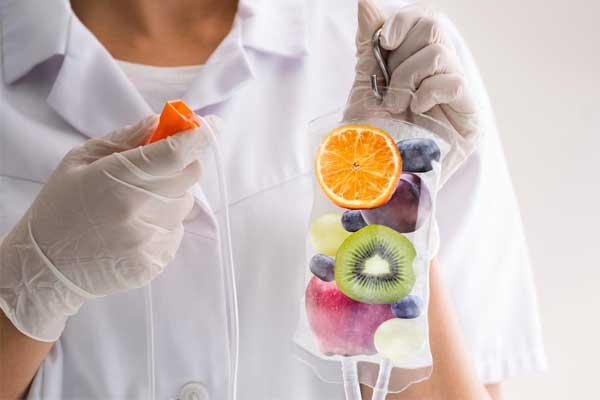
The Components of Intravenous Therapy:
Fluids: IV fluids are commonly used to restore and maintain proper hydration levels in patients who are unable to take fluids orally, such as those undergoing surgery or suffering from severe illnesses. The infusion of fluids directly into the bloodstream ensures rapid absorption, helping to stabilize blood pressure, support organ function, and maintain electrolyte balance.
Medications: IV administration allows for precise control over the dosage and rapid onset of action of medications. This is crucial in emergencies when immediate drug delivery is necessary. Medications such as antibiotics, pain relievers, chemotherapy drugs, and anesthesia agents can be administered intravenously.
Nutrition: Patients who are unable to consume food orally due to surgeries, digestive disorders, or other medical conditions can receive essential nutrients through IV therapy. Total parenteral nutrition (TPN) delivers a balanced mixture of carbohydrates, proteins, fats, vitamins, and minerals directly into the bloodstream, ensuring the body’s nutritional needs are met.